Listeners:
Top listeners:
-
 play_arrow
KISS FM NS
-
 play_arrow
Top 10 Countdown #4 Samantha Lopez
audiotrack

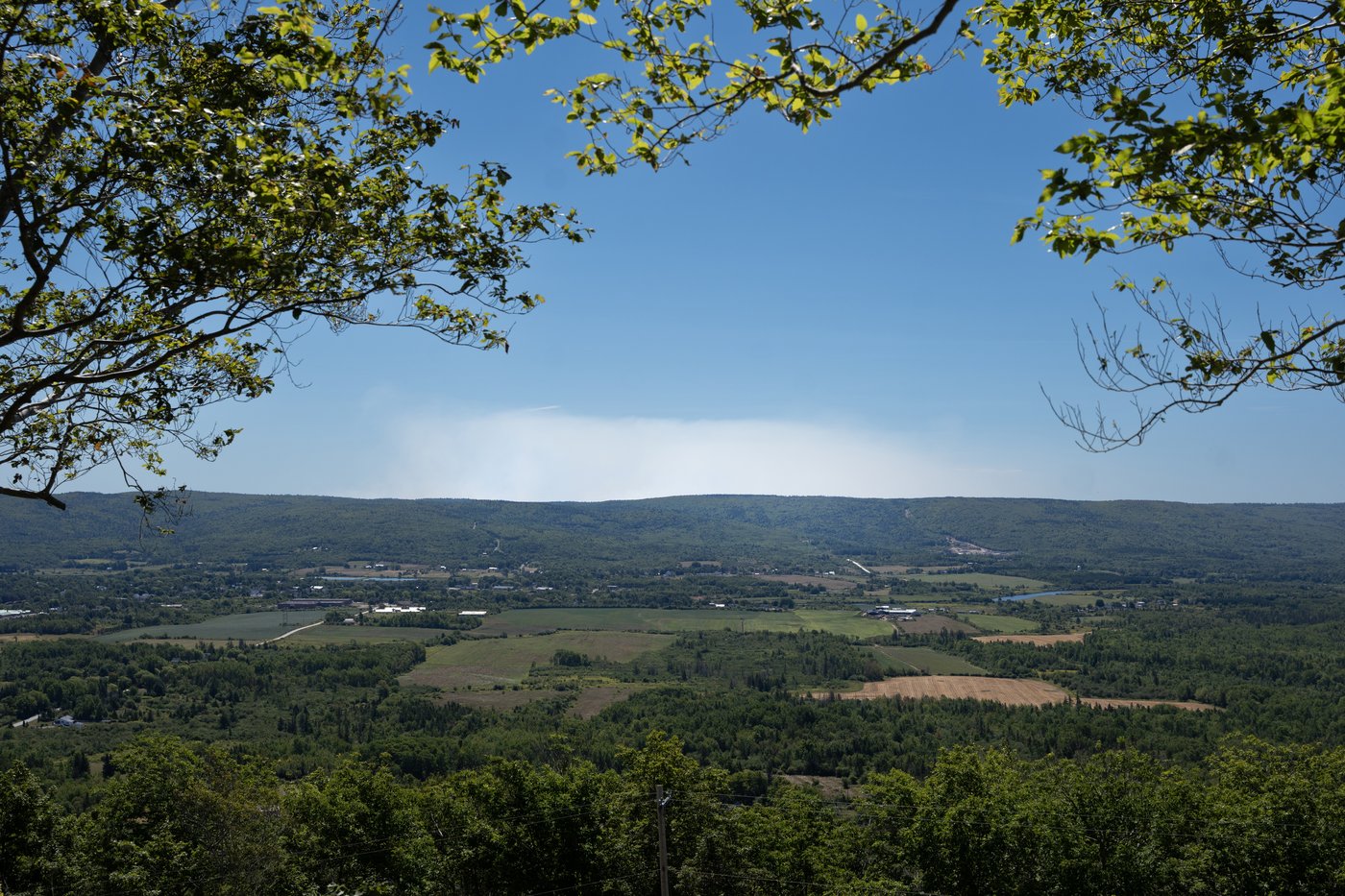
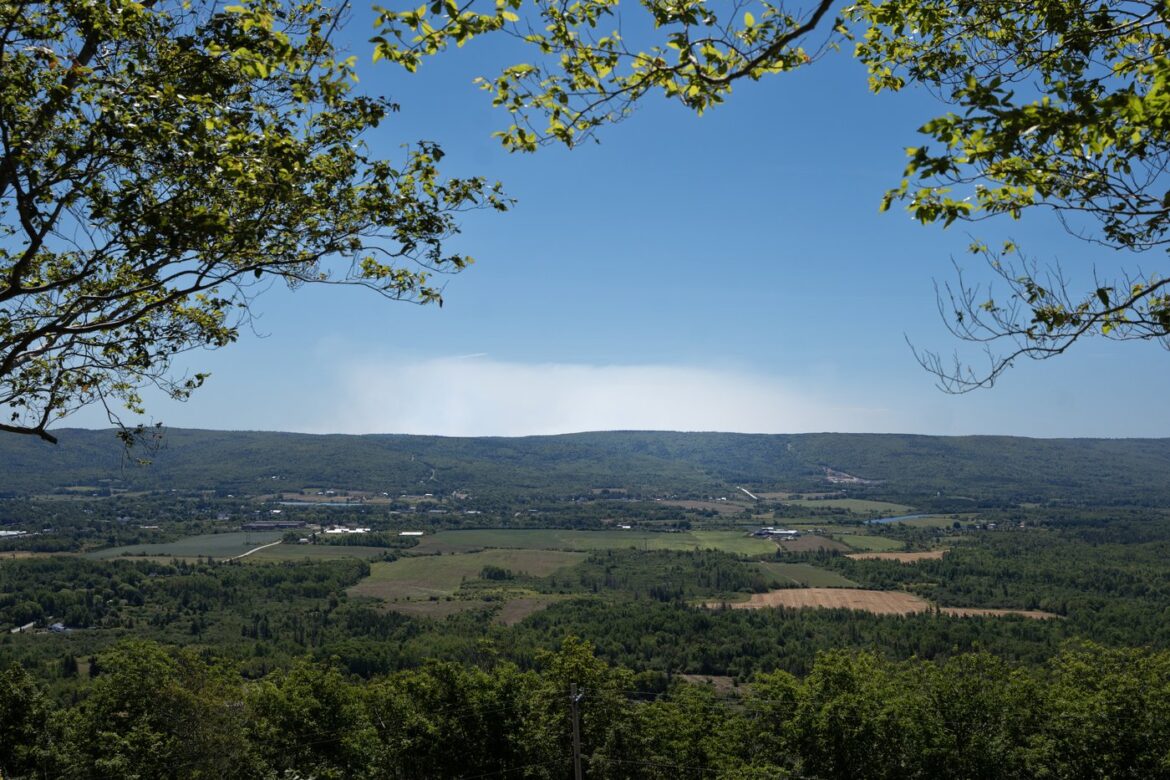
A Nova Scotia judge has ruled the province's decision last year to ban most people from entering the woods to prevent wildfires during an extreme drought was unreasonable. Smoke is seen over the landscape where firefighters are battling the Long Lake wildfire in Nova Scotia's Annapolis County, outside the community of West Dalhousie, N.S., on Tuesday, Aug. 19, 2025. THE CANADIAN PRESS/Darren Calabrese
A Nova Scotia Supreme Court judge has ruled the province’s decision last year to ban most people from entering the woods to prevent wildfires during an extreme drought was unreasonable.
The judicial review from the Nova Scotia Supreme Court determined that the provincewide ban imposed in August 2025 did not meet the standard for reasonableness because the province failed to consider the impact on Charter rights.
The Ruling
In a decision released Friday, Justice Jamie Campbell said it was clear the ban limited the right of citizens to move freely within Canada – a right protected under Section 6 of the Charter of Rights and Freedoms.
The implications are significant: while the government had legitimate concerns about wildfire risk during an extreme drought period, the court found the blanket approach failed to account for fundamental constitutional protections.
Unequal Treatment of Users
The court’s analysis revealed a critical gap in how the government approached the closure. Campbell’s ruling says Premier Tim Houston’s government had considered the rights of commercial users by establishing a permit system for those who earn their livelihoods from the woods.
However, the judge found no consideration was given to the potential impact on the mobility rights of those who use the woods for purposes other than commercial gain.
This distinction—that commercial interests received accommodation while recreational and personal use did not—formed the basis of the court’s unreasonableness finding.
The Challenge
The ruling stems from a constitutional challenge filed by lawyers representing Nova Scotia resident Jeffrey Evely, who was fined more than $28,000 for deliberately violating the ban by walking into the woods near Sydney, N.S., and then posting a video on social media.
Evely’s case became the vehicle for testing whether such a sweeping provincial restriction could withstand constitutional scrutiny. By deliberately breaching the ban and publicizing his actions, Evely drew official attention to what he and his legal team argued was an overreach of government authority.
Looking Forward
The judge’s decision did not strike down the ban because it is no longer in effect, but Campbell said his ruling could provide guidance for the government should it try to impose a similar ban in the future.
This means the ban itself remains historical—it was lifted before this decision—but the judgment establishes important legal precedent. Should the province attempt another widespread woods closure in response to wildfire danger, Justice Campbell’s analysis makes clear that any such measure must account for Charter rights and cannot arbitrarily exclude recreational users while accommodating commercial operators.
The ruling represents a significant check on emergency powers, requiring that even public safety measures meet constitutional standards.


Now on air
Upcoming shows
Latest news
Latest Chart
-
-
 play_arrow
Espresso Sabrina Carpenter
-
-
-
 play_arrow
APT. ROSÉ & Bruno Mars
-
-
-
 play_arrow
Messy Lola Young
-
-
-
 play_arrow
Lose Control Teddy Swims
-
-
-
play_arrow
Love & Appreciation Agnes
-
play_arrow
-
Upcoming shows
NOW ON AIR
MOST LISTENED
-
-
play_arrow
Espresso Sabrina Carpenter
-
-
-
play_arrow
APT. ROSÉ & Bruno Mars
-
-






Post comments (0)